
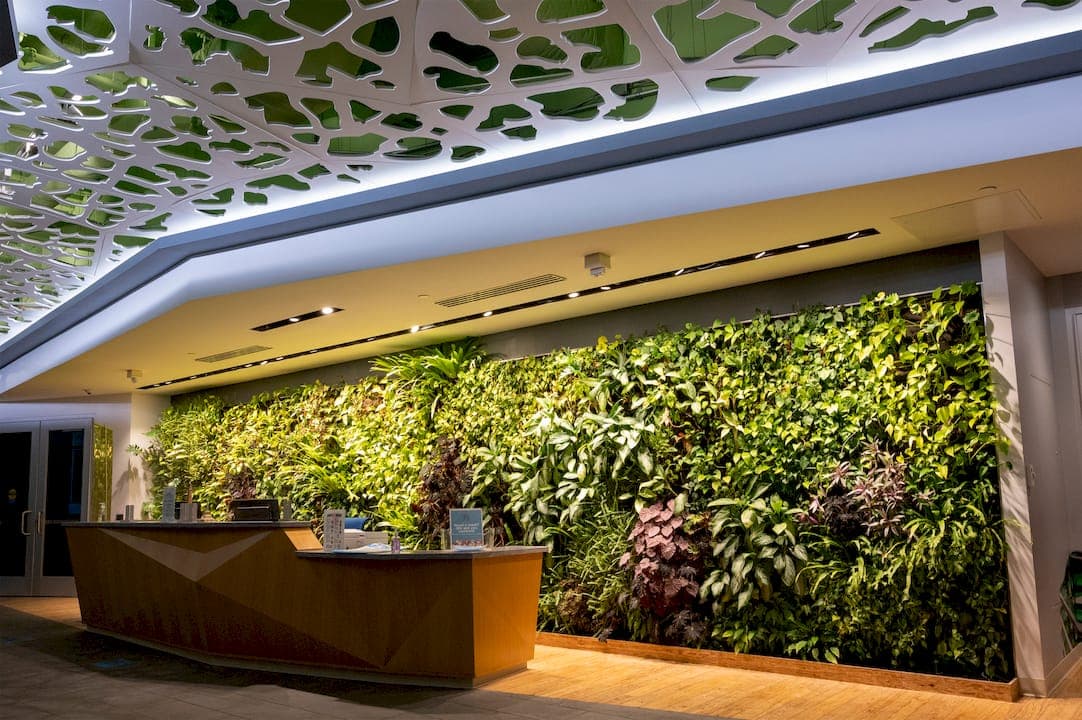
Commercial plant installation is the coordinated process of species selection, site preparation, physical placement, and integration with property management to create resilient, attractive indoor environments from day one. For business owners and office managers, understanding how commercial plant installation works means recognizing it as a strategic decision, not a decorative afterthought. Done well, it shapes how employees feel at their desks, how clients perceive your space, and how much ongoing maintenance your team actually has to manage. Greenspaceplants works with commercial clients across Toronto, Vancouver, and Calgary to execute this process with the care and planning it deserves.
What are the key steps in the commercial plant installation process?
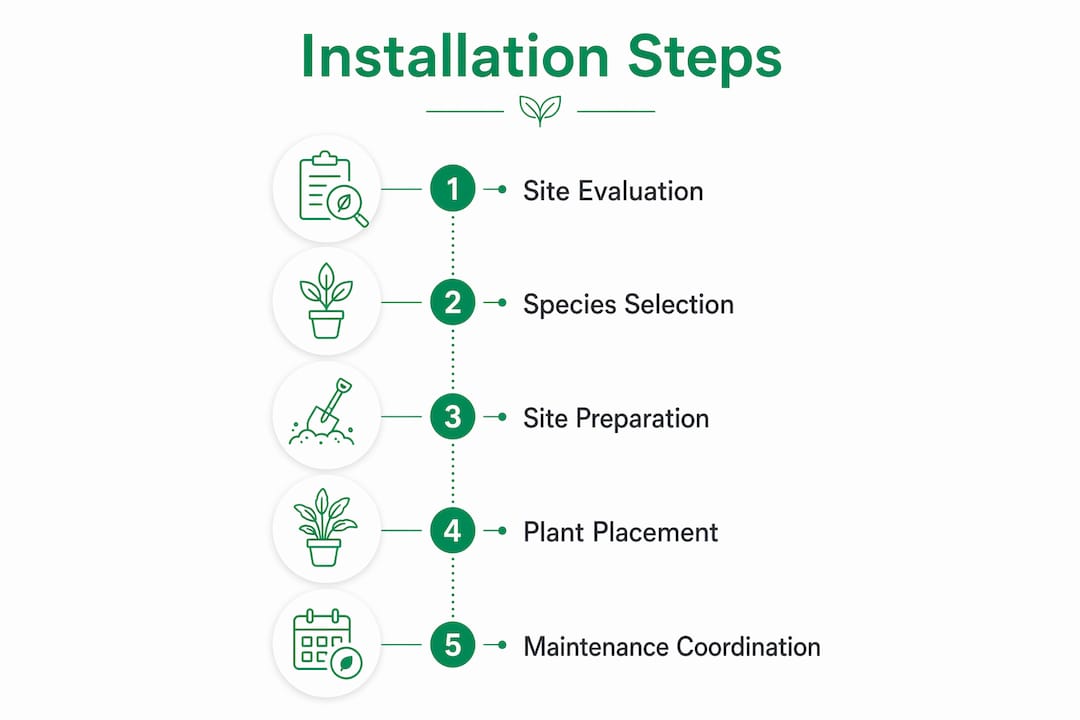
Commercial plant installation follows a structured sequence. Skipping any step creates problems that compound over time, from root failure to unsightly bare soil to plants that outgrow their containers within a year.
Here is how a professional installation unfolds:
-
Site evaluation. A trained specialist assesses light levels, airflow patterns, humidity, and container or floor conditions. This step determines which plants can realistically thrive in the space, not just survive for a few weeks.
-
Species selection and proposal. Based on the site evaluation, a tailored plant list is developed. Tailored proposals and samples help prevent specification problems and delays, keeping the installation on schedule.
-
Scheduling and logistics. Installation is timed to minimize disruption to tenants and staff. Coordinating planting with other scheduled maintenance reduces crew visits and tenant disruption in commercial properties. This matters more than most business owners realize.
-
Physical placement and container setup. Professional crews position each plant, confirm container drainage, and verify that the site is ready. Professional installation crews handle all physical tasks to ensure environment usability on day one.
-
Root preparation and backfilling. For outdoor or atrium installs, this means loosening roots, setting the plant at the correct height, and backfilling with amended soil. Proper planting technique includes marking locations, digging suitably sized holes, and correct plant height before any soil goes back in.
-
Mulching and immediate watering. Mulch regulates temperature and conserves moisture. Mulching conserves moisture and regulates temperature but must avoid contact with plant stems to prevent rot. Watering immediately after planting is non-negotiable.
-
Post-install review. The crew walks the space, checks drainage, removes debris, and documents the plant inventory for future maintenance reference.
Pro Tip: Request a written plant inventory from your installer on day one. It becomes the foundation for every maintenance visit, replacement order, and seasonal rotation that follows.
How is plant species selected for commercial spaces?
Species selection is where most commercial plant installations succeed or fail. Choosing plants based on how they look in a catalog, without considering how they will perform in your specific space, leads directly to pruning burdens, pest problems, and costly replacements.
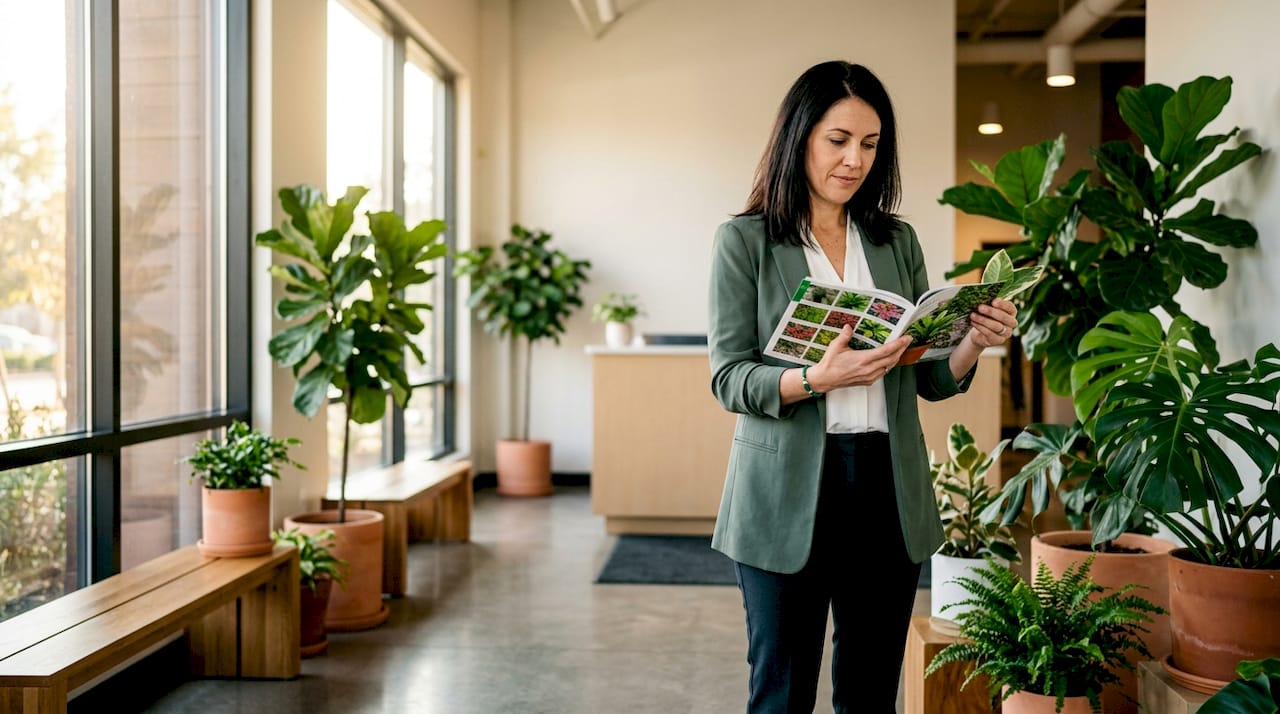
Successful installation requires considering sun exposure, soil type, irrigation, heat island effect, growth rates, seasonal succession, availability, and pest resistance before a single plant enters the building. That is a long list, and it is the reason professional assessment matters.
The key criteria for commercial species selection include:
-
Light exposure. A plant rated for “bright indirect light” will decline in a north-facing lobby with no supplemental lighting. Match the plant to the actual light, not the ideal light.
-
Growth rate and mature size. Choosing plants based on aesthetics without considering growth rate leads to pruning burdens and maintenance cost increases. A slow-growing species in a tight corridor saves you significant labor over three years.
-
Seasonal interest. For outdoor commercial spaces, plants should offer visual interest across multiple seasons. A single-season bloomer leaves beds looking bare for eight months of the year.
-
Availability and replaceability. Large commercial inventories need consistent species. If a plant variety is discontinued or regionally unavailable, replacing it disrupts the visual continuity of the entire installation.
-
Pest and disease resistance. High-traffic commercial environments stress plants. Species with natural resistance to common pests reduce the need for chemical intervention and keep your space looking professional year-round.
Pro Tip: Ask your plant specialist to confirm that every species on your list is available in commercial quantities from at least two suppliers. Single-source species create replacement headaches at the worst possible times.
What role does maintenance coordination play in commercial installation?
Commercial plant installation does not end when the last pot is placed. The transition from installation to ongoing care is where many business owners lose momentum, and where costs quietly climb.
Integrating installation scheduling with other tasks like mulch replacement and hardscape repairs minimizes tenant disruption and reduces site visits. This integrated approach also ensures beds are finished, mulched, and watered promptly to avoid unsightly bare soil exposure. For an office manager juggling vendor schedules, this coordination is a genuine operational advantage.
Effective maintenance coordination in a commercial plant setup process typically includes:
-
Aligning watering schedules with the building’s irrigation system or cleaning crew rotations
-
Scheduling pruning and rotation visits to coincide with other low-traffic periods, such as early mornings or weekends
-
Bundling mulch refresh, fertilization, and pest monitoring into a single quarterly visit rather than three separate ones
-
Documenting plant health observations at each visit so problems are caught early, not after a plant has visibly declined
Greenspaceplants builds this coordination into its indoor plant care programs from the start. The goal is a plant program that runs quietly in the background, requiring nothing from your team between visits.
What are best practices and common pitfalls during installation?
The physical act of installing plants looks straightforward. The mistakes that cause early plant failure, however, are almost always invisible at the time they happen.
Here are the most critical best practices, and the pitfalls they prevent:
-
Verify drainage before planting. A container without adequate drainage will waterlog roots within weeks. Check every vessel before a plant goes in, not after.
-
Set the plant at the correct height. Planting too deep suffocates the root crown. Planting too shallow exposes roots to temperature swings and drying. The top of the root ball should sit level with or just above the surrounding soil or container medium.
-
Keep mulch away from stems. Mulch piled against a stem traps moisture and creates the conditions for fungal rot. Leave a clear gap of at least two inches around every stem and trunk.
-
Follow a tailored irrigation schedule. Overwatering or underwatering negatively affects root development. A schedule based on plant type and soil composition, not a fixed calendar, produces healthy establishment.
-
Monitor actively during the first growing season. A well-executed installation should establish within one growing season and then thrive with standard maintenance. If problems appear in month two, catching them then costs far less than replacing plants in month six.
Pro Tip: Assign one person on your team to do a weekly visual check during the first 90 days. They do not need horticultural training. They just need to flag anything that looks wilted, yellowed, or unusually dry.
Key Takeaways
Commercial plant installation succeeds when species selection, physical technique, and maintenance coordination are treated as a single integrated process rather than three separate tasks.
| Point | Details |
|---|---|
| Installation is a process, not an event | Seven sequential steps, from site evaluation to post-install review, determine long-term success. |
| Species selection drives cost | Choosing plants by growth rate, light needs, and availability prevents pruning burdens and replacements. |
| Coordination reduces disruption | Bundling installation with other maintenance tasks cuts crew visits and protects tenant experience. |
| Technique errors cause early failure | Incorrect depth, poor drainage, and mulch against stems are the most common causes of plant loss. |
| First-season monitoring is decisive | Active observation during the first 90 days catches problems before they become replacements. |
Why I think most offices underestimate what installation actually involves
When business owners ask me about commercial plant installation, they usually expect a conversation about which plants look good. What surprises them is how quickly we move to drainage, light readings, and maintenance schedules.
The honest truth is that a beautiful plant in the wrong spot is a liability, not an asset. I have seen offices invest in striking installations that looked perfect on day one and were half-dead by month four, because no one accounted for the HVAC draft directly above the planter or the fact that the cleaning crew was watering on a fixed schedule regardless of soil moisture. Those are not exotic problems. They are the predictable result of treating installation as a finishing touch rather than a property management decision.
The offices that get this right share one trait: they involve their plant specialist before the furniture is finalized. When you know where the light falls and where the air moves, you can design a plant program that actually holds up. That is the difference between a space that impresses clients on day one and a space that still impresses them two years later.
Long-term commercial plant installations succeed when the plan includes consistent species availability and manageable growth to minimize labor and replacement complexities. That is not a design principle. It is an operations principle. And the sooner you treat it that way, the better your results will be.
— Nicole
Greenspaceplants and your commercial plant setup
Greenspaceplants designs and installs interior plant services for commercial spaces across Toronto, Vancouver, and Calgary, with every project built around the site conditions, maintenance capacity, and aesthetic goals specific to your space.
Through the Greenspace+ program, you receive plant design, installation, regular maintenance, and guaranteed plant replacements for a fixed monthly fee, with no upfront costs and no long-term commitment. Your team handles your business. We handle the plants. If you are ready to see what a well-planned indoor plant installation looks like in a commercial environment, reach out to Greenspaceplants for a consultation.
FAQ
What is commercial plant installation?
Commercial plant installation is the coordinated process of selecting, placing, and establishing plants in a business environment, including site assessment, species selection, physical installation, and integration with ongoing maintenance programs.
How long does a commercial plant installation take?
Installation timelines vary by project scope, but most commercial interiors are completed in a single scheduled visit. Outdoor or large-scale atrium installs may require phased delivery and installation over several days.
Why does species selection matter so much in commercial spaces?
Choosing the wrong species creates ongoing pruning, pest, and replacement costs. Plants selected for the actual light, airflow, and maintenance capacity of your space establish faster and require less intervention over time.
How do I maintain plants after a commercial installation?
A tailored irrigation schedule, regular monitoring during the first growing season, and bundled maintenance visits covering pruning, fertilization, and pest checks are the foundation of healthy establishment and long-term plant performance.
What makes Greenspaceplants different for commercial plant setup?
Greenspaceplants offers an all-inclusive Greenspace+ service covering design, installation, maintenance, and replacements for a fixed monthly fee, removing the operational burden from business owners and office managers entirely.