
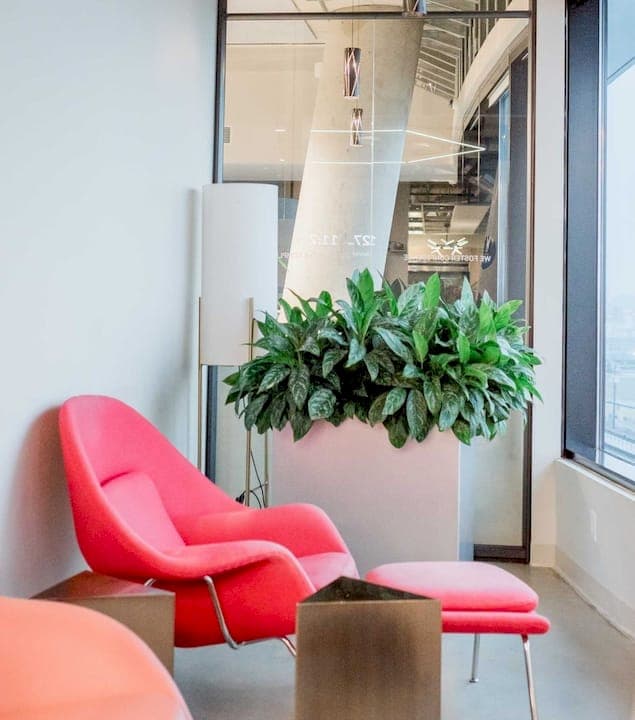
Indoor plants are a direct driver of workplace productivity, with research showing that adding greenery to a previously plant-free office increases productivity by approximately 15%, correlating with measurable improvements in employee concentration and mood. The formal term for this design approach is biophilic design, which refers to the intentional integration of natural elements into built environments to support human wellbeing. Understanding how indoor plants affect productivity matters because the evidence goes well beyond aesthetics. Plants change physiology, alter attention, and in some configurations, reshape the physical environment itself. This article breaks down what the science actually says and what it means for your workspace.
How do indoor plants affect productivity and attention?
The productivity gains from office plants are physiological, not just psychological. Workers in windowless environments with indoor plants showed a 12% faster reaction time and a systolic blood pressure reduction of 1–4 units compared to plant-free spaces. That combination of faster cognitive response and lower cardiovascular stress points to a genuine neurological shift, not a placebo effect.
Self-reported attentiveness also increased by 0.5 points on standardized scales in the same study. That may sound modest, but in a controlled environment with no other variables changed, a consistent attentiveness gain is significant. It means workers felt more present and engaged simply because plants were in the room.
The mechanism behind this is explained by Attention Restoration Theory, a framework in environmental psychology. Biophilic design replenishes depleted attention resources, allowing the brain to recover from sustained cognitive effort. Think of it as a passive reset. Your eyes land on a plant, your nervous system briefly downshifts, and you return to the task with slightly more capacity than before.
Pro Tip: Place plants within your primary field of view, not behind you or in a corner. The restorative effect depends on visual exposure, not just physical proximity.
This is why open-plan offices with plants distributed across sightlines outperform offices where greenery is clustered near entrances or lobbies. The benefit is not decorative. It is functional, and placement determines whether workers actually receive it.
The role of stress reduction in sustained focus
Stress and concentration are inversely linked. When physiological stress rises, sustained focus drops. Plants interrupt that cycle at the biological level by lowering blood pressure and heart rate, creating the physical conditions that make deep work possible. This is the core mechanism connecting plants to performance.
Passive plants vs. active living walls: what actually changes the environment?
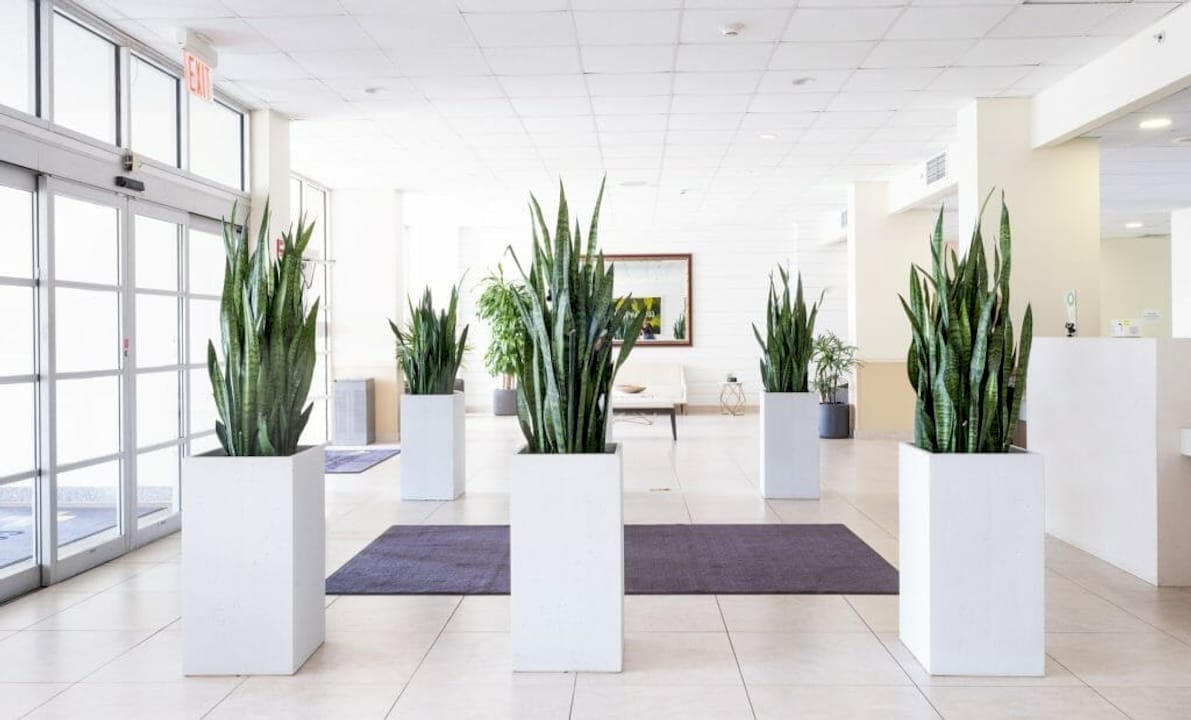
Not all plant setups deliver the same results. The distinction between passive potted plants and engineered living wall systems is one of the most misunderstood points in workplace greenery discussions.
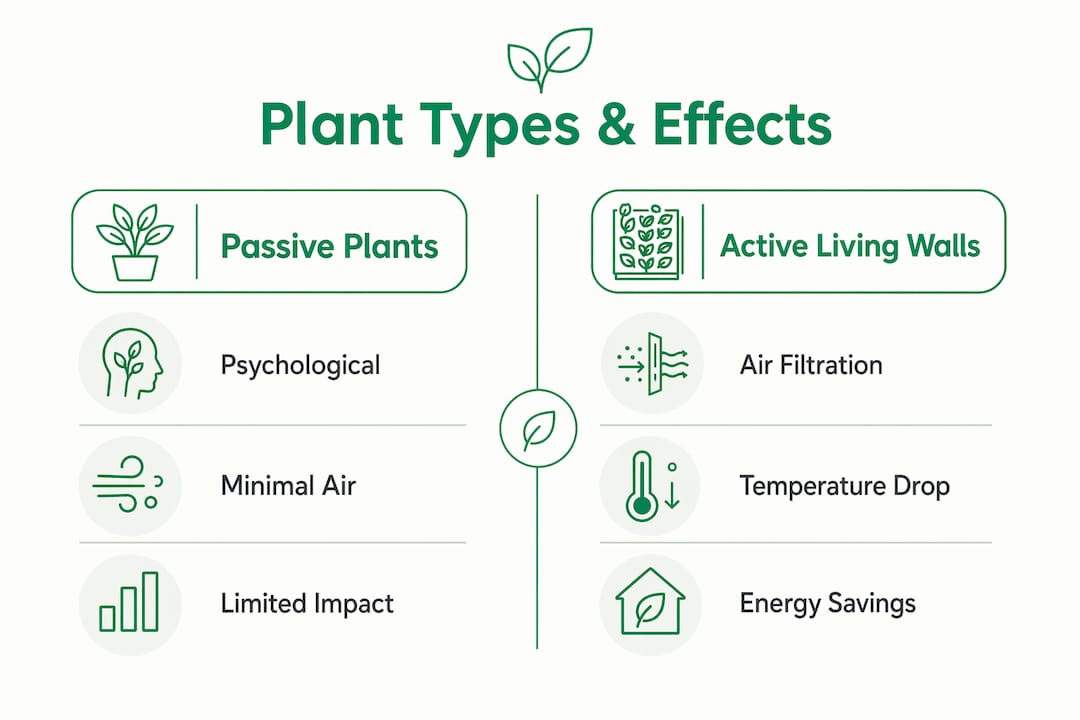
Passive potted plants provide psychological benefits but have limited impact on indoor air quality at typical office scales. A few potted plants on desks will not meaningfully filter volatile organic compounds or regulate temperature. Their value is real, but it is primarily cognitive and emotional.
Active biofiltration living wall systems are a different category entirely. These systems use forced airflow through a planted substrate, pulling air through root zones where microbial activity breaks down pollutants. The results are measurable at the building level.
| Feature | Passive potted plants | Active living wall systems |
|---|---|---|
| Air quality impact | Minimal at office scale | Up to 50% CO2 reduction |
| Temperature effect | Negligible | Up to 8°F reduction nearby |
| Energy savings | None documented | 6%–12% in optimized setups |
| Primary benefit | Psychological, attentiveness | Environmental and psychological |
| Maintenance complexity | Low to moderate | High, requires professional care |
Active living wall systems can reduce air temperature by up to 8°F and cut CO2 concentrations by up to 50% in adjacent zones. Those environmental shifts matter for productivity because elevated CO2 is directly linked to cognitive impairment and decision fatigue.
Pro Tip: If your goal is measurable air quality improvement, a single potted plant will not get you there. Invest in a professionally installed green wall with active airflow, or pair multiple large-format plants with improved ventilation.
The energy savings of 6%–12% documented in optimized living wall setups also affect building appeal and operating costs. For property managers and office designers, that figure connects greenery to financial performance, not just employee wellness.
Does the type of plant matter for productivity gains?
Species selection and visual placement matter more than most professionals realize. The research on this is specific and worth understanding before you buy a dozen identical plants and call it done.
Real plants lower heart rates and improve subjective naturalness ratings compared to imitation plants. Artificial plants produce some positive effects, but they are significantly less effective at reducing stress and improving physiological responses. The brain responds differently to living organisms than to convincing replicas, even when the visual difference is subtle.
The Green View Index (GVI) and species diversity predict restorative outcomes better than plant quantity alone. Here is what that means in practice:
-
Species diversity matters. A mix of leaf shapes, textures, and heights creates a richer visual environment that triggers stronger restorative responses than rows of identical plants.
-
Visual placement is critical. Plants positioned within a worker’s primary field of view produce measurable heart rate reductions. Plants behind the worker or outside sightlines do not.
-
GVI thresholds suggest that the proportion of visible green in a space correlates with wellbeing outcomes. Density and distribution across sightlines outperform a single statement piece.
-
Individual differences exist. Workers with seating positions facing windows or plant-rich zones report stronger attentiveness gains than those facing walls or screens.
Even small-scale introduction of real plants produces measurable physiological and psychological benefits, despite individual perception differences. The takeaway is that you do not need a full biophilic renovation to see results. You need the right plants in the right positions.
Practical strategies for integrating plants into your workplace
Getting the most from workplace greenery requires more than purchasing plants and placing them near windows. A structured approach to species selection, placement, and maintenance determines whether the benefits are sustained or fade within months.
-
Match species to your light conditions. Low-light offices do well with pothos, ZZ plants, and snake plants. Brighter spaces can support fiddle-leaf figs, peace lilies, and philodendrons. Choosing the wrong species leads to decline, and a dying plant produces the opposite of a restorative effect.
-
Prioritize placement over quantity. Position plants within the primary sightlines of workstations. A single healthy plant at eye level in front of a worker delivers more benefit than five plants in a corner. Use the GVI principle: aim for visible green across the workspace, not concentrated in one area.
-
Use species diversity intentionally. Vary leaf size, texture, and height across your installation. This creates the visual richness that drives stronger attentiveness and stress reduction responses.
-
Invest in professional maintenance. Plants that are overwatered, pest-affected, or visibly declining undermine the psychological benefits. Regular care by trained technicians, what we at Greenspaceplants call our plant clinicians, keeps every plant in peak condition. Consistent maintenance is the difference between a thriving plantscape and a liability.
-
Consider a green wall installation for environmental impact. If your goal extends beyond aesthetics to air quality and temperature regulation, an active living wall system is the appropriate tool. These require professional design and ongoing care, but the environmental and productivity returns justify the investment.
Pro Tip: Rotate plants quarterly to prevent phototropic lean and maintain even growth. Uneven, leaning plants reduce the perceived naturalness of the space, which weakens the restorative effect.
Biophilic design principles, including live healthy plants, organic shapes, and natural materials, can increase building value by up to 7% and improve tenant satisfaction. For office managers, that connection between greenery and building appeal makes the business case straightforward.
Key Takeaways
Indoor plants produce measurable productivity gains through physiological stress reduction, improved attention, and, in active living wall systems, genuine environmental improvements that directly affect cognitive performance.
| Point | Details |
|---|---|
| Productivity increase | Adding plants to a plant-free office increases productivity by approximately 15%. |
| Physiological response | Workers show 12% faster reaction times and lower blood pressure with plants present. |
| Real vs. artificial plants | Real plants produce stronger heart rate reductions and stress relief than imitation plants. |
| Active vs. passive systems | Living wall systems cut CO2 by up to 50% and reduce temperature by up to 8°F. |
| Placement over quantity | GVI and species diversity predict restorative outcomes better than sheer plant count. |
What I’ve learned from watching plants change workplaces
After years of working with commercial spaces across Toronto, Vancouver, and Calgary, I have watched the same pattern repeat. A client installs plants, expects a mood lift, and then notices something they did not anticipate: the room feels quieter. Not acoustically, but cognitively. People linger at their desks longer. Conversations slow down in a good way. The frantic energy that defines most open-plan offices softens.
The research confirms what we observe on the ground. But I will be honest about something the studies do not fully capture: the benefit is fragile. A neglected plant, one that is yellowing, leaning, or dropping leaves, actively undermines the effect. Workers notice decline. It reads as disorder, and disorder raises stress rather than lowering it. This is why maintenance is not a secondary concern. It is the mechanism through which the benefit is delivered or destroyed.
The other thing I would push back on is the idea that artificial plants are a reasonable substitute. I understand the appeal. No watering, no pests, no replacement costs. But the physiological data is clear. Real plants lower heart rates in ways that imitation plants do not. The brain knows the difference, even when the eye is fooled. If budget is the constraint, start with two or three well-chosen real plants rather than a dozen artificial ones.
The frontier I find genuinely exciting is the integration of active biofiltration systems into standard office design. We are still in early days on quantifying the cognitive impact of CO2 reduction at the individual workstation level. But the directional evidence is strong. Cleaner air, lower temperatures, and visible greenery together create an environment where sustained focus is not a personal discipline challenge. It becomes the default state of the room.
— Nicole
Greenspaceplants can bring this research to life in your office
The science on plants and productivity is compelling. Translating it into a real workspace takes expertise in species selection, placement, and ongoing care.
Greenspaceplants designs and maintains commercial indoor plantscapes for offices, restaurants, and commercial spaces across Toronto, Vancouver, and Calgary. Our Greenspace+ service covers design, installation, regular maintenance, and plant replacements for a fixed monthly fee, with no upfront costs or long-term commitments. Whether you need a few well-placed desk plants or a full living wall installation, our team handles every detail so your plants stay healthy and your workspace stays productive.
FAQ
Do indoor plants actually improve focus at work?
Yes. Workers in plant-enriched offices show 12% faster reaction times and measurable increases in self-reported attentiveness compared to plant-free environments.
Are real plants better than artificial plants for productivity?
Real plants are significantly more effective. They produce measurable heart rate reductions and lower stress responses that artificial plants cannot replicate, even when the visual difference is minimal.
How many plants does an office need to see productivity benefits?
Quantity matters less than placement and species diversity. The Green View Index shows that species diversity and visual placement within sightlines predict restorative outcomes better than total plant count.
Can plants improve indoor air quality in an office?
Passive potted plants have minimal air quality impact at office scale. Active biofiltration living wall systems with forced airflow can reduce CO2 by up to 50% and lower nearby air temperature by up to 8°F.
How do indoor plants affect building appeal and tenant satisfaction?
Biophilic design incorporating live plants can increase building value by up to 7% and improve tenant satisfaction, making greenery a measurable asset for property managers and office designers.