
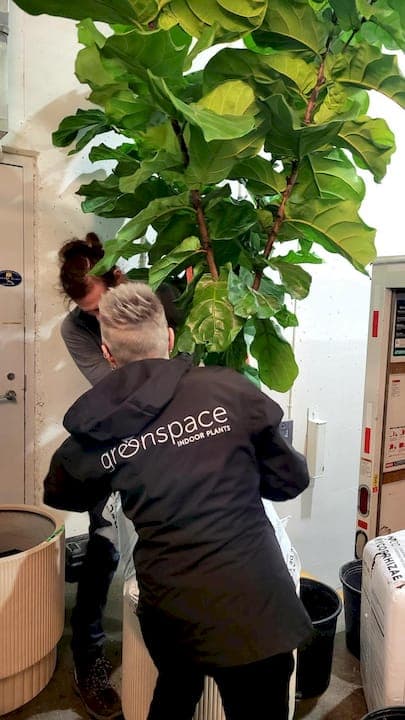
Professional plant maintenance is defined as a structured, species-specific care system that keeps indoor plants healthy through scheduled inspection, watering, pruning, pest control, and soil management. Understanding how plant service maintains healthy plants matters whether you manage a busy Toronto office or a Calgary restaurant lobby. A professional service does far more than water plants on a schedule. It acts as a living system of checks, each visit building on the last to prevent decline before it starts. Greenspaceplants delivers exactly this kind of proactive, condition-based care for commercial spaces across Canada.
What does a plant care plan include?
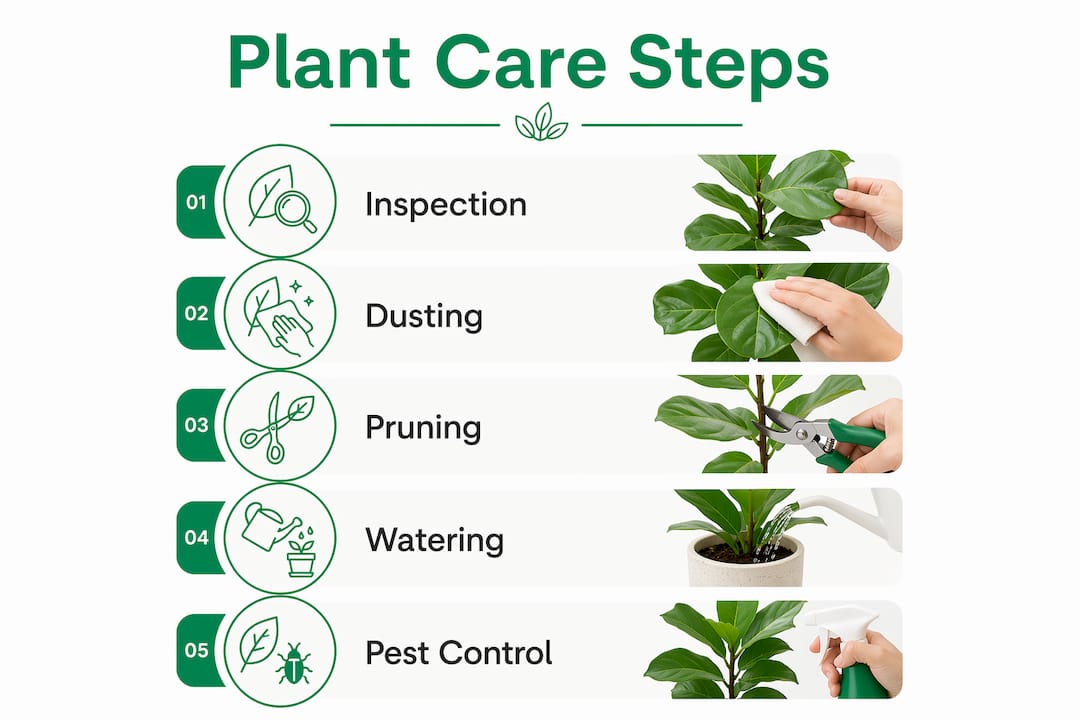
A professional plant care plan is built around a five-point inspection protocol covering soil moisture, dusting, pruning, pest monitoring, and soil aeration or fertilization. Each visit follows this protocol in sequence, so nothing gets skipped and every plant gets assessed on its own terms. The frequency of visits, whether weekly, bi-weekly, or monthly, is set by the plant species and the conditions of the space.
Pruning and leaf cleaning are not cosmetic tasks. They stimulate healthy new growth and remove older, unproductive leaves that drain the plant’s energy. Clean foliage also absorbs light more efficiently, which directly supports photosynthesis and overall vigor.
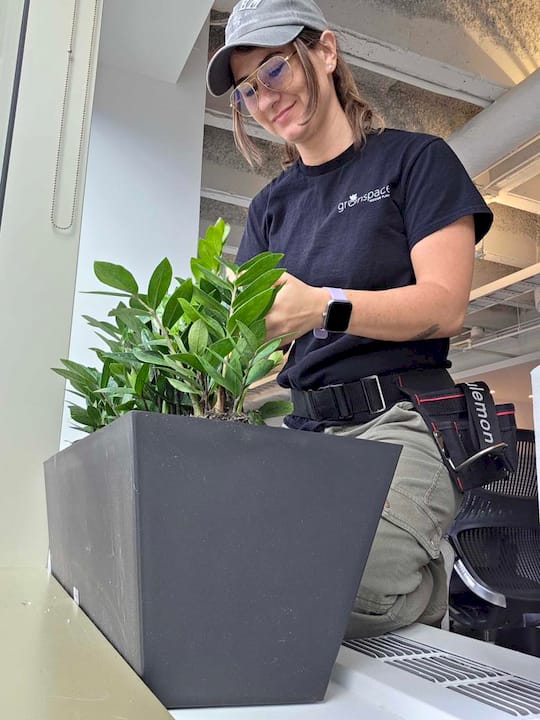
Repotting is another component that often gets overlooked in amateur care. When roots become crowded, nutrient uptake slows and the plant stagnates. A professional technician recognizes when a plant has outgrown its container and schedules repotting before the stress becomes visible.
Here is what a standard maintenance visit covers:
-
Soil moisture check: Assessed by feel and meter, not by calendar date
-
Foliage dusting: Removes dust buildup that blocks light absorption
-
Pruning: Dead, yellowing, or overgrown growth is removed to encourage balance
-
Pest and disease scan: Visual and close-up inspection for early signs of infestation
-
Fertilization or aeration: Applied based on current plant condition and growth stage
Pro Tip: Ask your service provider for a written post-visit report after each maintenance call. Transparent documentation keeps you informed and creates a health record for every plant in your space.
How do plant services handle pest and disease prevention sustainably?
Integrated Pest Management, or IPM, is the industry standard for pest control in professional indoor plant care. IPM prioritizes biological and cultural controls over chemical treatments, which protects both the plants and the people who work near them. This approach is especially important in offices, restaurants, and healthcare spaces where chemical sprays are not acceptable.
During each maintenance visit, a trained technician scans plants at a microscopic level, looking for early signs of spider mites, fungus gnats, scale insects, and other common indoor pests. Catching an infestation at this stage, before it spreads, is the core advantage of professional monitoring over reactive DIY care.
When treatment is needed, professional services reach for non-toxic horticultural oils and biological agents first. Neem oil, insecticidal soap, and beneficial predatory insects are common tools. These methods eliminate pests without leaving harmful residues on foliage or in the soil.
The key practices in sustainable pest management include:
-
Continuous monitoring: Every visit includes a pest scan, not just when problems are visible
-
Biological controls: Beneficial insects like predatory mites target pests without chemicals
-
Horticultural oils: Neem oil and similar products disrupt pest life cycles safely
-
Cultural controls: Adjusting light, humidity, and airflow to make conditions less hospitable to pests
-
Isolation protocol: Affected plants are removed from the display area immediately to prevent spread
Pro Tip: Plants near air vents or drafty windows are significantly more vulnerable to pest stress. Flag these locations to your service technician so they receive extra attention during each visit.
Why is customized watering and soil ecology critical in plant maintenance?
Condition-based watering is the single most effective change a professional service makes over amateur care. Rather than watering every plant on a fixed calendar, a trained technician checks each plant’s actual moisture level before adding any water. This prevents the two most common killers of indoor plants: overwatering and root rot.
Soil compaction is a separate but equally serious problem. When soil becomes dense over time, oxygen cannot reach the roots. Routine soil aeration and carefully scheduled fertilization prevent this, keeping the root zone healthy and nutrient-rich. This is a step that most building staff and office managers simply do not know to perform.
Fertilization is not a one-size-fits-all task. A peace lily in a low-light corridor needs a different nutrient schedule than a fiddle-leaf fig in a sun-drenched atrium. Professional technicians build fertilization plans around each plant’s growth stage, species requirements, and seasonal changes.
The table below shows how condition-based care compares to calendar-based care across key maintenance tasks:
| Maintenance Task | Calendar-Based Approach | Condition-Based Approach |
|---|---|---|
| Watering | Fixed day each week | Assessed by soil moisture at each visit |
| Fertilization | Monthly regardless of growth | Applied based on growth stage and season |
| Soil aeration | Rarely performed | Scheduled when compaction is detected |
| Repotting | When plant visibly declines | Scheduled before stress becomes visible |
-
Assess soil moisture first. Use a moisture meter or finger test before watering any plant.
-
Aerate compacted soil. Use a thin probe to loosen soil around the root zone without damaging roots.
-
Match fertilizer to species. Tropical foliage plants, succulents, and flowering plants each need different nutrient ratios.
-
Adjust for seasons. Most indoor plants slow their growth in winter and need less fertilizer and water during those months.
-
Track each plant’s history. A log of past watering and fertilization helps technicians spot patterns and prevent recurring problems.
How do professional plant services manage struggling or sick plants?
Proactive plant care requires technicians to catch early signs of chlorosis, nutrient lockout, or pest stress before the plant becomes an eyesore. A yellowing leaf or a slightly wilted stem is a signal, not just a cosmetic flaw. Acting on that signal immediately is what separates professional care from reactive maintenance.
When a plant cannot be stabilized quickly, the professional approach is to remove it from the display area and transfer it to a greenhouse for rehabilitation. This keeps your space looking sharp while the plant recovers out of sight. Some services guarantee plant replacement at no extra cost, so a struggling plant never leaves a gap in your design.
The stressors that most commonly cause plant decline in commercial spaces include:
-
Nutrient lockout: Caused by soil pH imbalance, preventing roots from absorbing available nutrients
-
Drafts and temperature swings: Air conditioning vents and exterior doors create micro-climate stress
-
Overwatering: The leading cause of root rot in office environments
-
Low light: Plants placed too far from windows or under inadequate artificial lighting
-
Pest damage: Undetected infestations that weaken the plant over several weeks
Expert services recognize micro-climates within a single room and adjust care accordingly. A plant near a south-facing window needs different treatment than one in a dim hallway, even if they are the same species. Treating all plants identically is one of the most common reasons indoor plantscapes fail.
Healthy plants also protect your brand. A wilting, yellowing display in a reception area sends the wrong message to clients and visitors. Proactive replacement and rehabilitation keep your space looking intentional and well-managed at all times.
Key Takeaways
Professional plant maintenance works because it combines condition-based assessment, Integrated Pest Management, and proactive replacement to keep indoor plants healthy and visually consistent over time.
| Point | Details |
|---|---|
| Five-point inspection protocol | Every visit covers soil moisture, dusting, pruning, pest monitoring, and fertilization or aeration. |
| Condition-based watering | Technicians assess each plant before watering, preventing overwatering and root rot. |
| Integrated Pest Management | IPM uses biological controls and non-toxic treatments to manage pests safely indoors. |
| Proactive replacement | Struggling plants are removed to a greenhouse and replaced immediately to maintain aesthetics. |
| Micro-climate awareness | Professional technicians adjust care based on light, drafts, and foot traffic in each zone. |
Why professional plant care beats DIY every time
I have seen the same pattern repeat itself in offices across Toronto and Vancouver. A well-meaning office manager waters the plants every Monday, fertilizes once in a while, and calls it done. Six months later, the fiddle-leaf fig is dropping leaves, the pothos is root-bound, and nobody can figure out why.
The problem is not effort. It is the absence of a trained eye. Recognizing the early signs of chlorosis, knowing that a plant near the HVAC vent needs twice the monitoring of one by the window, understanding that a ZZ plant in a dim corner needs aeration more than water. These are skills that take time and repetition to develop.
Transparent post-visit reporting is one of the most underrated benefits of professional service. When you receive a written summary after each visit, you know exactly what was done, what was flagged, and what to expect next time. That accountability builds confidence and removes the guesswork entirely.
Outsourcing plant care also protects your brand and frees up your team’s time. Healthy, well-maintained plants signal professionalism to every client who walks through your door. A neglected display does the opposite, and the damage is subtle but real.
My honest recommendation: do not wait for plants to look sick before calling a professional. By the time decline is visible, you are already weeks behind. The value of professional plant service is not in fixing problems. It is in preventing them from starting.
— Ben
Greenspaceplants indoor plant care for your commercial space
Greenspaceplants brings expert indoor plant maintenance to commercial spaces in Toronto, Vancouver, and Calgary through its all-inclusive Greenspace+ program. For a fixed monthly fee, you receive plant design, installation, scheduled maintenance, and guaranteed plant replacements with no upfront costs and no long-term commitments.
Every Greenspace+ client gets a care plan built around their specific space, species selection, and aesthetic goals. Our technicians follow the same five-point inspection protocol on every visit, and struggling plants are replaced immediately so your display never looks neglected. If you are ready to take the guesswork out of indoor plant care, Greenspaceplants is ready to help. Browse our interior plant services to find the right fit for your space.
FAQ
What is included in a professional plant care service?
A professional plant care service includes soil moisture assessment, foliage dusting, pruning, pest monitoring, and fertilization or soil aeration. Visit frequency is customized by plant species and the conditions of the space.
How does a plant service handle sick or struggling plants?
Sick plants are removed from the display area and sent to a greenhouse for rehabilitation while a healthy replacement is installed immediately. This protects the visual integrity of your space without interruption.
What does a plant care plan mean for a business owner?
A plant care plan is a scheduled, documented maintenance program that covers all aspects of plant health, from watering and pruning to pest control and repotting. It removes the burden of plant upkeep from your staff entirely.
Why is condition-based watering better than a fixed schedule?
Condition-based watering prevents overwatering and root rot by assessing each plant’s actual moisture level before adding water. Fixed schedules ignore individual plant needs and environmental changes, which leads to preventable decline.
How does Integrated Pest Management protect indoor plants?
Integrated Pest Management uses biological controls, horticultural oils, and continuous monitoring to manage pests without toxic chemicals. This approach is safe for people working in the space and more effective at preventing infestations than reactive chemical treatments.