
Restaurant plantscaping is defined as the strategic design, installation, and ongoing maintenance of live plants within a dining venue to improve aesthetics, air quality, and guest atmosphere. The industry term for this practice is interior landscaping, and it covers everything from a single potted fiddle-leaf fig near the host stand to a full living wall behind the bar. Unlike casual decorating with plants, plantscaping services follow a structured process: design, installation, routine care, and seasonal rotation. For restaurant owners and managers, understanding this process is the first step toward using greenery as a genuine business tool rather than an afterthought.
What is restaurant plantscaping and why does it matter?
Restaurant plantscaping is the deliberate use of live plants to solve real operational and experiential problems in a dining space. Plants do not just look good. They absorb sound, define zones, and improve air quality in ways that furniture and paint cannot replicate. That combination of function and beauty is what separates a true plantscape from a few pots scattered near the window.
The concept draws directly from biophilic design, which is the practice of connecting built environments to nature. Biophilic design principles show that guests in nature-connected spaces feel more comfortable and tend to stay longer. For a restaurant, longer dwell time translates directly to higher average check values and stronger repeat visit rates.
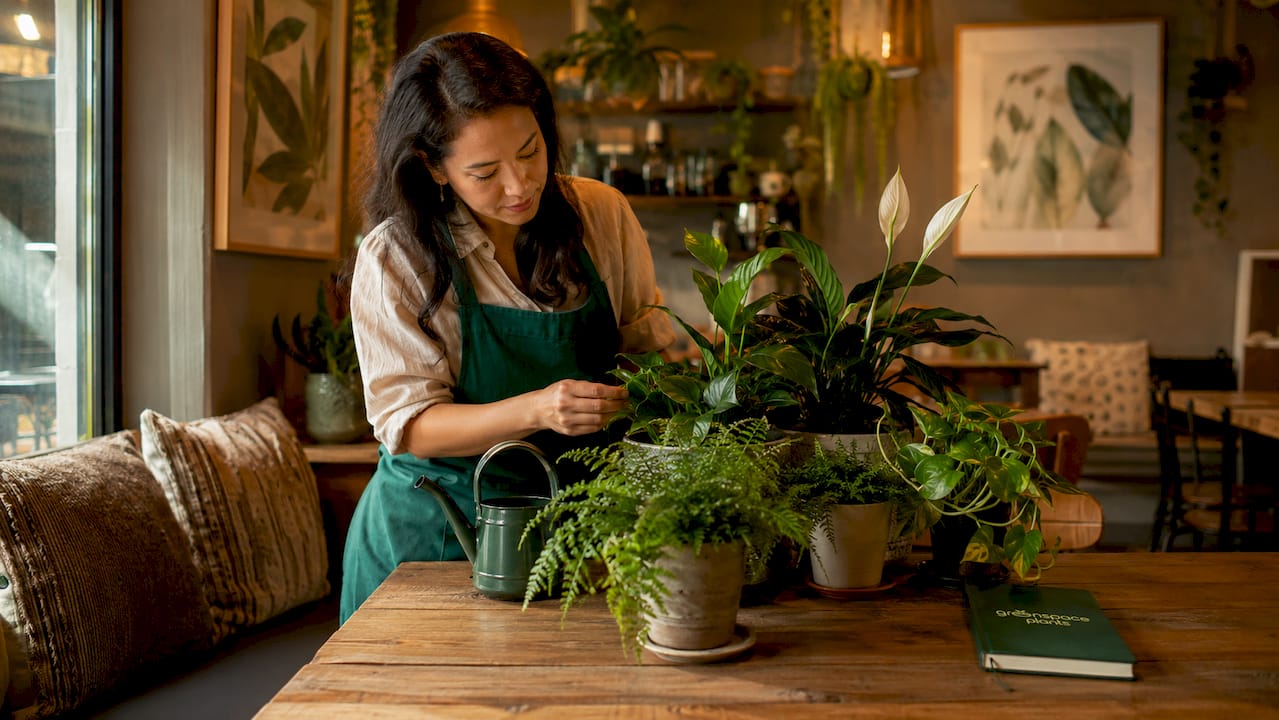
Plants also reduce CO2, formaldehyde, and benzene while releasing oxygen, which improves comfort for both guests and staff during a full service shift. That air quality benefit is measurable and consistent, not a marketing claim.
How do plants improve restaurant atmosphere and solve real problems?
Plants are strategic tools for managing the sensory experience inside a restaurant. Broad-leafed species placed near entrances soften air drafts and create a warmer first impression for arriving guests. Taller plants positioned between tables act as natural dividers, creating intimate dining zones without the cost or permanence of a construction project.
Sound management is one of the most underappreciated benefits of restaurant interior landscaping. Dense foliage absorbs and scatters sound waves, reducing the echo and ambient noise that make conversation difficult in hard-surfaced dining rooms. Layering plants of different heights and leaf densities amplifies this effect.
Here is what a well-planned plantscape addresses in a restaurant setting:
- Noise reduction: Layered foliage absorbs sound and breaks up hard-surface echo.
- Zone definition: Tall floor plants create visual separation between dining areas without walls.
- Air quality: Plants filter common indoor pollutants and increase humidity to comfortable levels.
- Entrance impact: Broad-leaf plants at the entry signal warmth and care before a guest is seated.
- Brand reinforcement: Plant selection aligned with your cuisine or theme makes the space memorable.
Pro Tip: Place a cluster of broad-leaf plants like Monstera deliciosa or Bird of Paradise near your entrance. They signal hospitality immediately and soften the transition from street to dining room.
What types of commercial plantscape styles work in restaurants?
Commercial plantscaping offers several distinct formats, and the right choice depends on your space, lighting, and design goals. Each style delivers a different level of visual impact and requires a different maintenance commitment.
| Style | Description | Best for |
|---|---|---|
| Tabletop displays | Small potted plants used as table centerpieces or shelf accents | Subtle texture without crowding small spaces |
| Floor-standing specimens | Large trees or sculptural plants in statement planters | Anchoring open dining rooms or entrance areas |
| Living walls | Vertical panels of live plants mounted to walls | High-impact focal points in compact footprints |
| Hanging planters | Trailing plants suspended from ceilings or beams | Adding greenery without using floor or table space |
| Modular movable planters | Wheeled or repositionable planter units | Flexible layouts, seasonal refreshes, event setups |
Living walls, also called green walls, deliver the highest visual impact per square foot. They work especially well in restaurants with limited floor space but strong natural or supplemental lighting. Modular movable planters are a growing trend for 2026 because they let operators reconfigure the dining room for private events or seasonal changes without a redesign.
Large floor-standing plants, such as olive trees in a Mediterranean concept or bamboo in an Asian-inspired space, do double duty. They align plant selection with cuisine and theme, reinforcing brand identity while filling architectural dead zones that furniture cannot reach.
Key considerations before you plantscape your restaurant
Successful restaurant interior landscaping starts with an honest assessment of your space before a single plant is purchased. Rushing into installation without this groundwork is the most common reason plantscapes fail within the first season.
Light is the single most critical factor. Assessing light intensity across your dining room reveals which zones support very high, high, medium, or low-light species. Most restaurant interiors fall into the medium-to-low range, which limits species selection unless you add supplemental grow lighting.
Supplemental lighting is worth the investment. Integrating appropriate lighting early expands your plant selection beyond the standard low-light roster and allows you to use more exotic, visually striking species that elevate the perceived quality of your space.
Consider these factors before committing to a plantscape plan:
- Ambient light levels: Measure natural light at different times of day in each zone before selecting species.
- HVAC proximity: Air vents dry out foliage and stress plants. Keep planters away from direct airflow.
- Resilient species: Snake plants, ZZ plants, and pothos tolerate restaurant conditions reliably. They survive low light, irregular watering, and temperature swings.
- Architectural integration: Plants should complement your existing materials. A concrete-and-steel interior pairs well with sculptural succulents or architectural ferns, not soft cottage-style arrangements.
- Maintenance access: Every plant needs to be reached for watering, pruning, and inspection. Plan placement with your maintenance team in mind.
Pro Tip: Before finalizing your plant layout, photograph each zone at noon and at your busiest dinner service. The difference in light levels will tell you exactly which species can survive where without supplemental help.
How does a professional plantscaping service work?
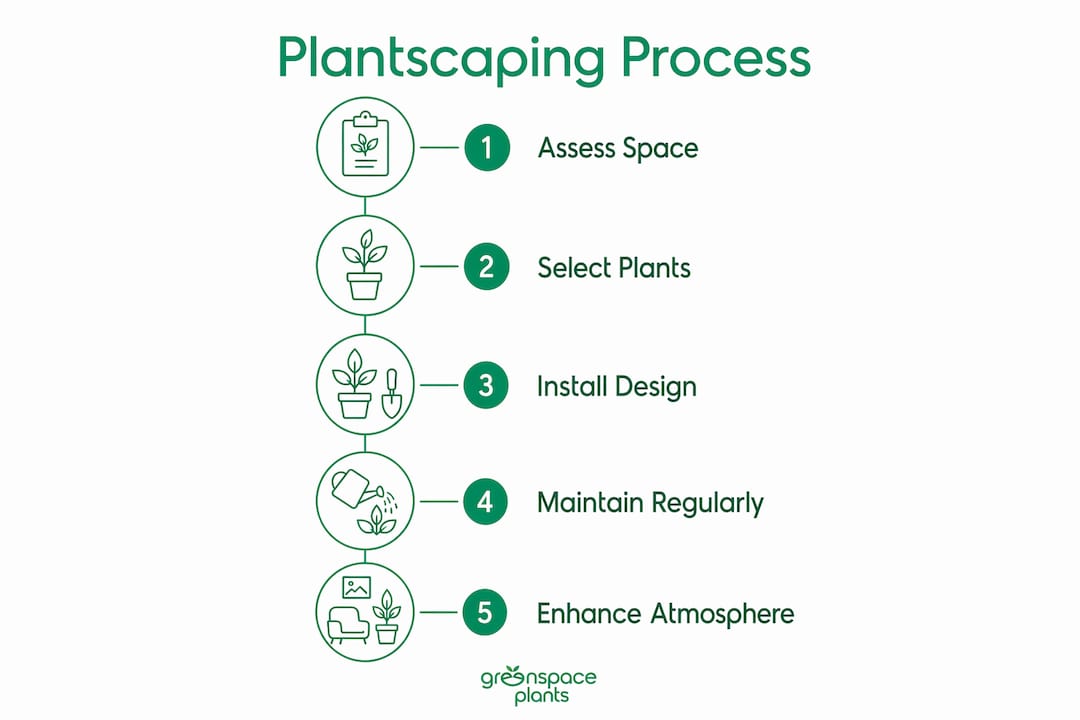
A full-service plantscaping provider follows four structured phases, and understanding each one helps you evaluate proposals and set realistic expectations.
-
Design consultation. A plant designer visits your space, assesses light levels, reviews your brand aesthetic, and proposes a plant plan. This phase includes species selection, planter style, and placement mapping.
-
Installation. The team delivers, positions, and installs all plants and planters. For living walls, this includes mounting the panel system and connecting any irrigation lines. For floor specimens, it means selecting the right soil mix and planter weight for your flooring.
-
Routine care visits. Technicians visit on a scheduled cycle, typically weekly or biweekly, to water, prune, clean foliage, and check for pests. Maintenance involves watering, pruning, and pest management as an ongoing discipline, not a one-time task.
-
Seasonal updates and replacements. Plants cycle in and out based on season, health, or design refresh. A good service contract includes plant replacement at no extra charge when a specimen declines.
Failing to plan for maintenance leads to plant loss within months of installation. The ongoing care contract is the real investment, not the initial purchase price. Restaurants that treat maintenance as optional consistently lose their plantscape within one growing season.
A professional service also handles Integrated Pest Management, which is a proactive approach to controlling insects and disease without harsh chemicals that could affect food safety. This is non-negotiable in a restaurant environment.
Key Takeaways
Restaurant plantscaping delivers measurable improvements to atmosphere, air quality, and brand identity when it is designed, installed, and maintained as a living system rather than static decor.
| Point | Details |
|---|---|
| Definition matters | Plantscaping is interior landscaping: a structured process of design, installation, and ongoing care. |
| Function over decoration | Plants reduce noise, define zones, and filter air, solving real operational problems. |
| Style selection | Match plantscape format (living wall, floor specimen, tabletop) to your space size and lighting. |
| Light assessment first | Measure ambient light before choosing species to avoid rapid plant decline. |
| Maintenance is the investment | A professional care contract protects your plantscape and prevents costly replacements. |
What I've learned from watching restaurants get plantscaping wrong
Most restaurant operators I've worked with make the same mistake. They treat plants as the last item on the design checklist, ordered after the furniture is in place and the lighting is fixed. By that point, the best spots for greenery are already occupied, and the remaining zones often have the worst light in the building.
Plants placed as an afterthought look like an afterthought. Guests notice. A single undersized pothos on a shelf in a 5,000-square-foot dining room does not create atmosphere. It creates the impression that someone tried and gave up.
The operators who get it right think about plants the same way they think about their lighting plan or their acoustic ceiling tiles. They ask: what problem does this solve, and where does it belong structurally? Large-scale trees and sculptural greenery can energize a flat, architecturally simple room in a way that no art installation can, because they are alive and they change.
Scale is the other mistake I see constantly. A restaurant with 14-foot ceilings needs plants that reach 8 or 9 feet to feel intentional. A cozy 40-seat bistro needs tabletop arrangements and one or two well-placed floor specimens, not a living wall that overwhelms the room. Getting the scale right requires someone who has done it before, not a best guess from a furniture catalog.
— Nicole
Greenspace Plants brings restaurant plantscaping to life
Greenspace Plants works with restaurant owners and managers across Toronto, Vancouver, and Calgary to design and maintain indoor plant installations that fit the space, the brand, and the budget. Our Greenspace+ program covers design, installation, routine maintenance, and plant replacements for a fixed monthly fee with no upfront costs.
Whether you want a dramatic living green wall behind your bar, statement floor specimens near the entrance, or a full dining room plantscape, we handle every phase from the first site visit to the weekly care visit. Browse our client portfolio to see completed restaurant installations, or contact us to request a custom quote for your space.
FAQ
What is the difference between plantscaping and just buying plants?
Plantscaping is a structured service that includes design, installation, and ongoing maintenance as a system. Buying plants on your own means managing species selection, watering schedules, pest control, and replacements without professional support.
Which indoor plants work best in restaurant dining spaces?
Snake plants, ZZ plants, and pothos are the most reliable choices for restaurant environments because they tolerate low light, irregular watering, and temperature fluctuations without declining quickly.
How often do restaurant plants need professional maintenance?
Most professional plantscaping contracts schedule visits weekly or biweekly. This covers watering, pruning, pest inspection, and foliage cleaning to keep plants healthy and presentable during service.
Do living walls work in restaurants with low natural light?
Living walls can work in low-light restaurants when supplemental grow lighting is integrated into the installation. Without adequate light, plant health declines rapidly regardless of the wall system used.
How does restaurant plantscaping support brand identity?
Plant selection aligned with your cuisine and theme reinforces your concept for guests. A Mediterranean restaurant using olive trees and culinary herbs, for example, creates a cohesive sensory experience that menus and paint colors alone cannot deliver.